

Curating a Cohesive Portfolio: How to Sequence Living Room Projects
Portfolio Strategy | September 13, 2026
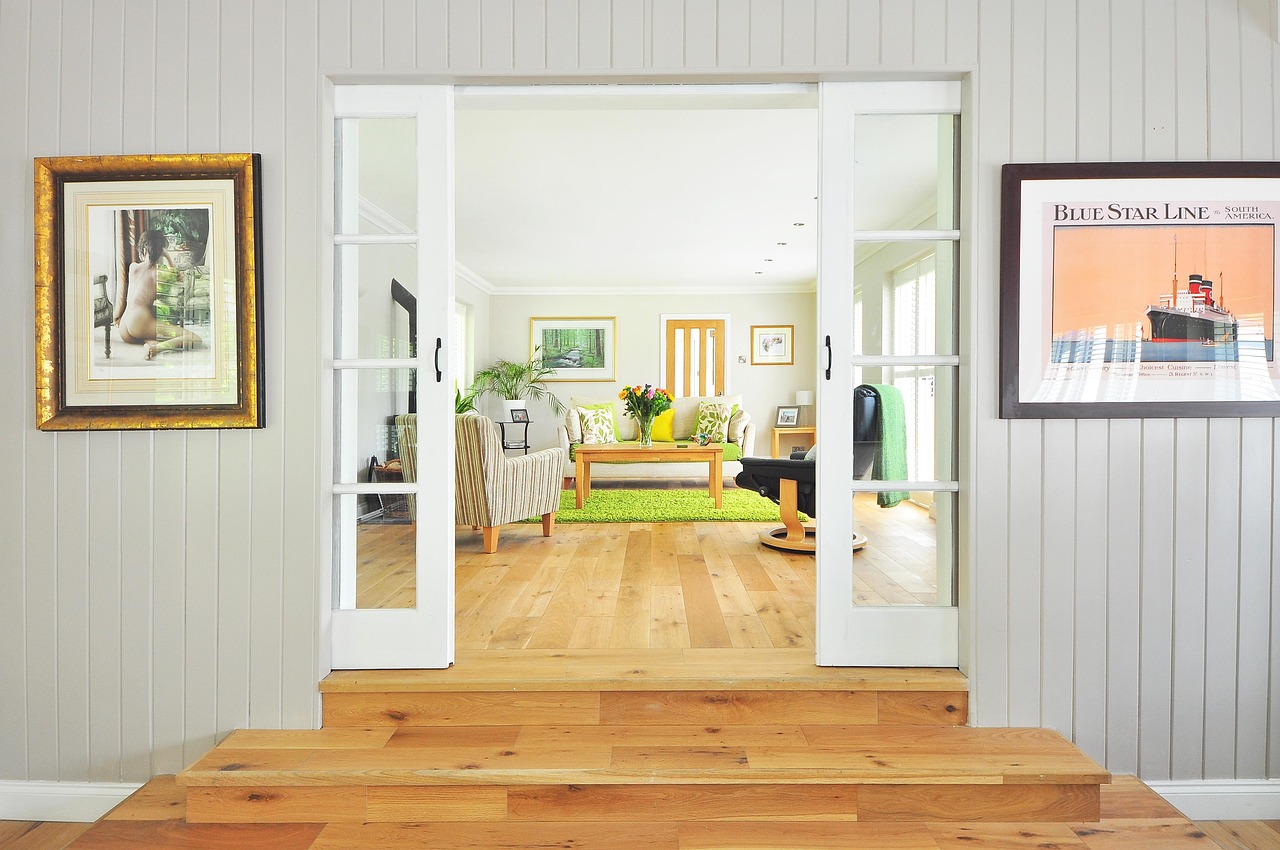
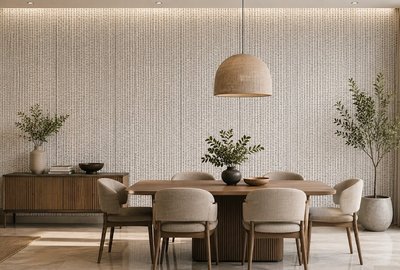
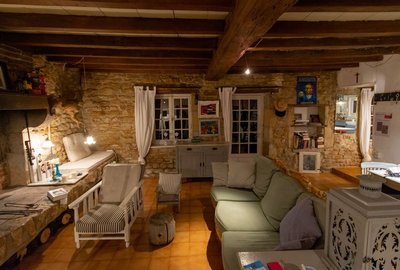
Most designers spend their energy making individual rooms look good and almost none thinking about how those rooms sit next to each other. But a portfolio is not a gallery of isolated images; it is a narrative, and the order in which a viewer encounters your work shapes what they remember. A living room that feels warm and layered will read differently if it follows a stark minimalist space than if it follows another warm room. Sequencing is a design decision, and it deserves the same care as choosing a sofa.
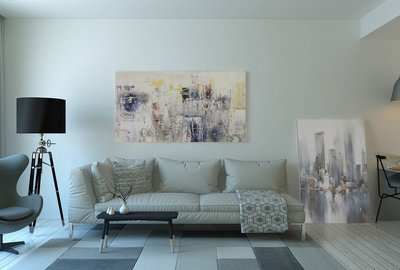
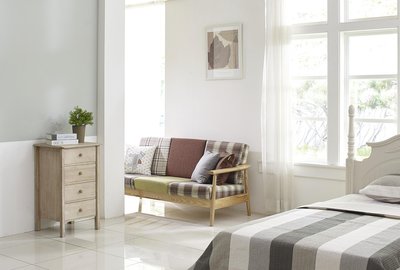
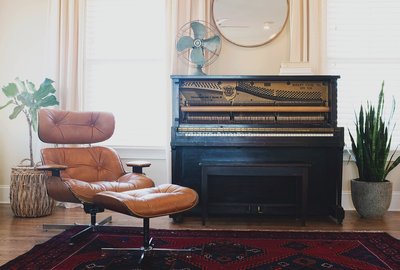
Start by grouping projects by the feeling they create rather than by chronology or project size. Warm, textured, collected rooms belong together. Crisp, architectural, restrained rooms belong together. When you jump between moods, the viewer has to reset with every image, and the portfolio starts to feel like a sampler rather than a body of work.
Opening Strong and Building Momentum
The first three images do most of the work. Lead with your most complete living room, the one where architecture, furniture, lighting, and styling all pull in the same direction. This is your handshake. It tells the viewer what kind of designer you are before they have read a single word.
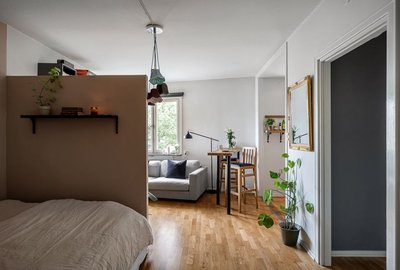
The second image should broaden the story without breaking it. If the opener was a formal living room, follow with a relaxed family space that shares your visual language: similar attention to proportion, similar restraint in palette, but a different mood. The third image can introduce a project with a different budget or scale, which signals range. By this point the viewer should feel that they understand your point of view and want to see more.
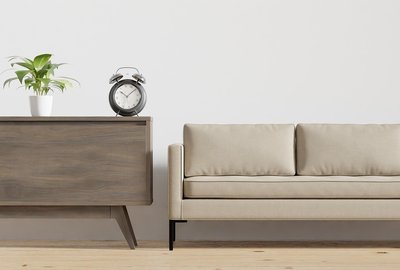
After the opening trio, you have room to play. Alternate between wide shots and detail vignettes. A full-room photograph followed by a close-up of a coffee table arrangement or a corner of a sofa gives the eye a rhythm. It also proves you can compose at multiple scales, which is a skill clients notice even if they cannot name it.
Ending With Intention and Editing Ruthlessly
The final image in a portfolio sequence should feel like a conclusion, not a leftover. Choose a living room that captures the emotional core of your work, ideally a space with strong light and a clear sense of habitation. A room photographed at dusk with lamps on, or a corner with a chair pulled up to a window, can close a portfolio more powerfully than a grand wide shot.
Editing is where sequencing becomes possible. A portfolio with forty living rooms has no sequence; it has a pile. Aim for eight to twelve images per project, and no more than four or five projects in a primary portfolio. The rest can live in an archive or a project-specific page. When you cut, remove images that repeat a composition you have already shown, even if they are beautiful. Repetition dilutes impact.
Finally, revisit the sequence every few months. As you complete new work, the balance of your portfolio shifts, and an image that once opened the set might now work better in the middle. Treat the portfolio as a living document, and it will keep telling the right story about your practice.
-

-
Small Living Rooms, Big Ideas: Portfolio Inspiration for Compact Spaces
Aug 28, 2026Color & Materials

-
Color Courage: Presenting Bold Living Room Palettes in Your Portfolio
Oct 4, 2026Project Narratives

-
From Before to After: Using Transformation Stories in Living Room Portfolios
Sep 30, 2026Lighting Design

-

-
The Art of the Quiet Corner: Styling Reading Nooks for Your Portfolio
Sep 22, 2026Design Fundamentals

-
Rug First, Room Second: Why Flooring Choices Anchor Your Portfolio Shots
Sep 11, 2026Portfolio Strategy

-

-

Front Room Folio
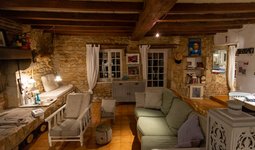
When the palette is quiet, texture does the talking. Here is how to layer materials so muted living rooms still feel rich on camera.