

How to Build a Living Room Portfolio That Feels Like a Home, Not a Showroom
Portfolio Strategy | October 4, 2026
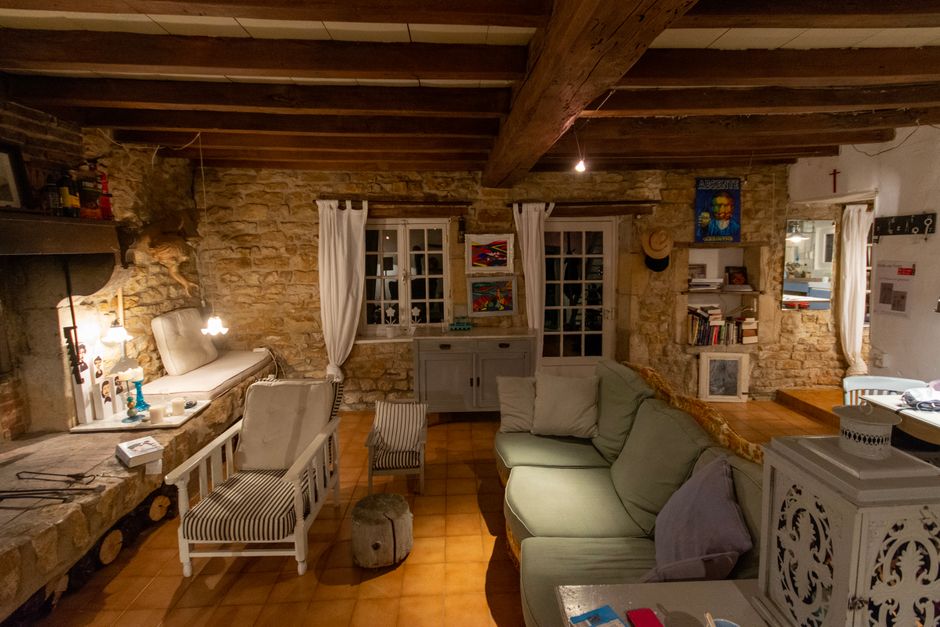
Every interior designer eventually faces the same tension: clients want to see polished, magazine-worthy images, but they also want to imagine themselves actually living in the space. A portfolio that only showcases perfection can feel cold and unapproachable. The best living room portfolios strike a balance between aspiration and reality, showing rooms that look beautiful but also feel like somewhere you could curl up with a book on a rainy Sunday.
Start by thinking about what makes a living room different from other spaces in a portfolio. It's not a kitchen, where function dominates, and it's not a bedroom, where privacy limits what you can show. The living room is a social space, a resting space, and often the emotional center of a home. Your portfolio should reflect that versatility. When you curate your projects, ask yourself whether each image communicates not just how the room looks, but how it might feel to spend an evening there.
Choosing Images That Tell a Story
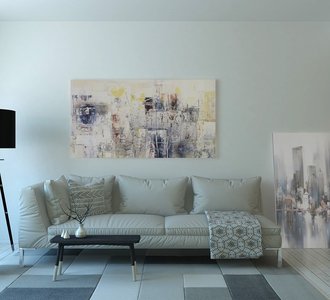
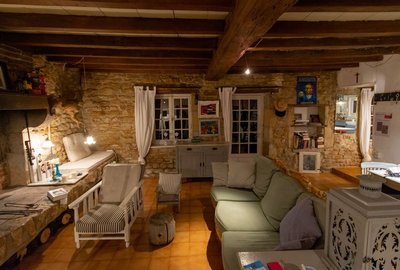
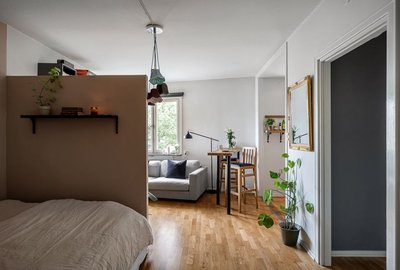
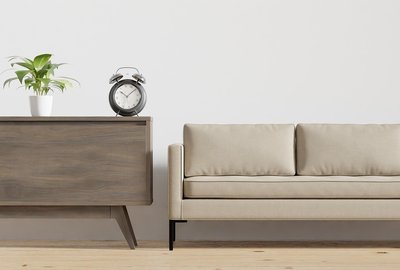
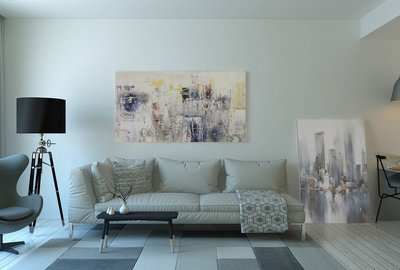
One of the most common mistakes in living room portfolios is relying on a single hero shot per project. A wide-angle photo of a sofa against a wall is fine as an establishing image, but it rarely conveys the thought behind the design. Instead, build a small sequence for each project: one wide shot to set the scene, one detail shot of a texture or material you're proud of, and one lifestyle-adjacent shot that suggests how the room is used. That might be a styled coffee table with a half-finished cup of tea, an open book, or a throw blanket casually draped over an armchair.
These small human touches do a lot of quiet work. They signal to potential clients that you design for real life, not just for photographs. They also differentiate your work from the endless scroll of perfectly staged rooms online. If you're shooting your own projects, resist the urge to remove every trace of daily life. A little imperfection, carefully placed, can make a room feel more inviting, not less professional.
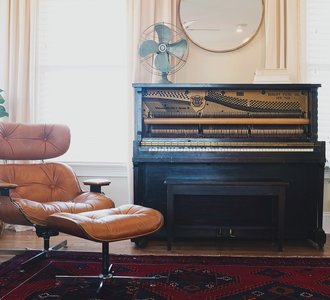
Lighting matters enormously here. Living rooms are often photographed in the middle of the day, when natural light is strongest, but that can flatten the mood. If possible, capture the same room at different times, or include one image shot in softer evening light with lamps turned on. The contrast between a bright afternoon scene and a warm, lamp-lit evening scene shows range and gives viewers a fuller sense of the space.
Writing Descriptions That Add Context
Images alone rarely tell the whole story of a design decision. A short, well-written caption or project description can elevate a portfolio from a gallery to a narrative. You don't need to write an essay, but a few sentences about the client's needs, the constraints of the space, or a particular challenge you solved will make the project more memorable.
For example, instead of writing "modern living room with custom shelving," you might write "the client wanted a place to display a lifetime of books without the room feeling like a library, so we built shelving that wraps around the window and doubles as a reading nook." That kind of detail helps viewers understand your thinking and shows that you listen to the people you design for.
Keep the tone conversational rather than salesy. Front Room Folio readers are often designers themselves, looking for inspiration and ideas rather than a hard pitch. Honest, specific language tends to resonate more than adjectives like "stunning" or "luxurious." If a project had a compromise, like a sofa that had to stay because it was a family heirloom, mention it. Those details make your portfolio feel human.
Finally, organize your portfolio so that warmth and polish alternate rather than compete. If every project is presented the same way, the portfolio can start to feel repetitive. Mix in a project with bold color, then one with quiet neutrals, then one with an unusual layout. Variety keeps viewers engaged and shows the breadth of what you can do within a single room type. A living room portfolio should feel like a collection of homes, not a catalog of furniture arrangements.
-

-
Lighting the Living Room: How to Showcase Layered Light in Your Portfolio
Sep 3, 2026Project Narratives

-


-
The Client's Chair: Photographing Living Rooms That Show How People Actually Sit
Sep 6, 2026Small Spaces

-
How to Build a Living Room Portfolio That Feels Like a Home, Not a Showroom
Sep 19, 2026Color & Materials

-
Small Living Rooms, Big Ideas: Portfolio Inspiration for Compact Spaces
Sep 16, 2026Project Narratives

Front Room Folio
Compact living rooms can be some of the most creative portfolio pieces if you know how to showcase smart design solutions.