
Texture Over Color: Building Depth in Muted Living Room Portfolios
Styling Tips | September 10, 2026
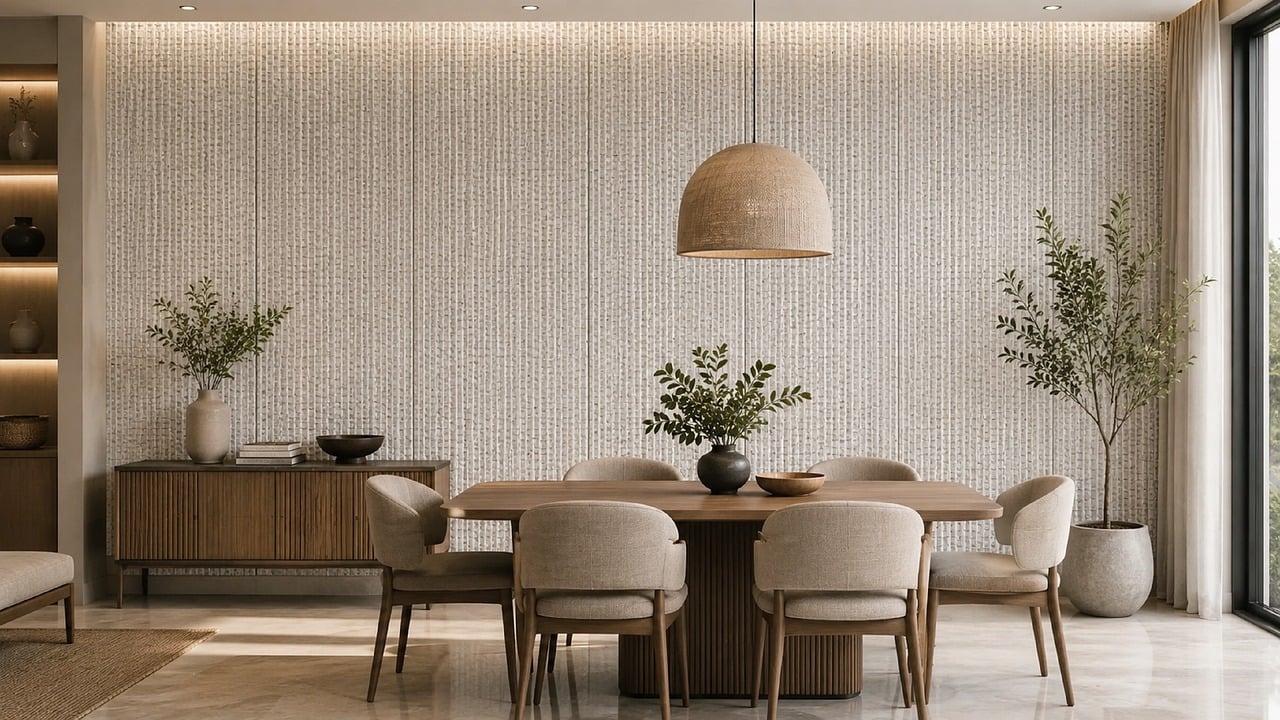
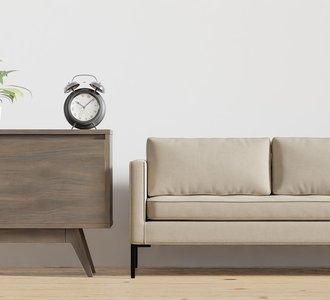
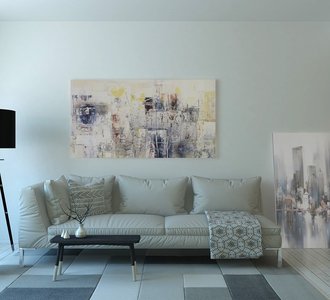
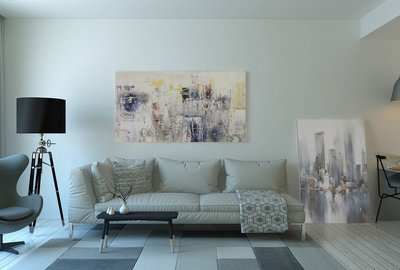
Muted living rooms are having a long moment, and for good reason. They are calm, flexible, and easy to live in. But they are also the hardest rooms to photograph well, because when color is removed, the camera has less to hold onto. The rooms that succeed in portfolios are not the ones with the fewest colors; they are the ones with the most texture. Texture is what gives a quiet room its voice, and it is what separates a serene living room from a boring one.
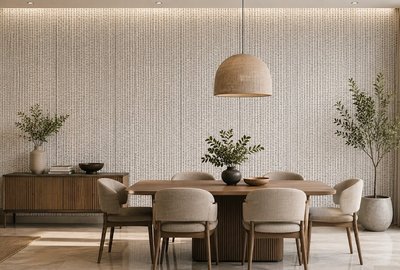
Think of a muted palette as a stage. The colors, creams, greys, taupes, soft whites, are the backdrop. Everything that happens on that stage is texture: the weave of a linen sofa, the nubby surface of a boucle chair, the grain of a wood coffee table, the sheen of a ceramic vase. When you shoot these rooms, the camera is reading surface variation, and your job as a designer is to give it plenty to read.
Layering Materials Without Adding Color
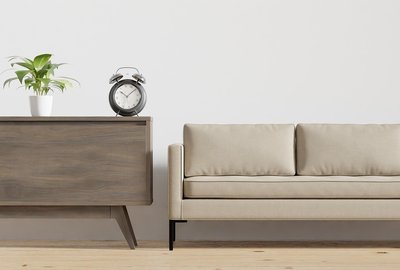
Start with the largest surfaces. A sofa in a smooth fabric will photograph flat unless something nearby contrasts with it. Pair a linen sofa with a chunky knit throw and a leather or cane chair, and the same neutral palette suddenly has three distinct textures. In photographs, this reads as depth. The eye travels across the frame because each surface feels different, even though the colors are nearly identical.
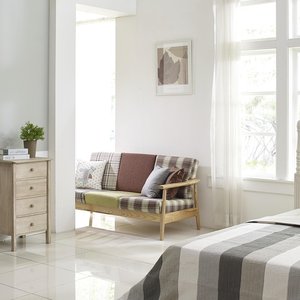
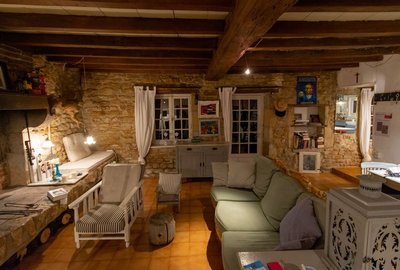
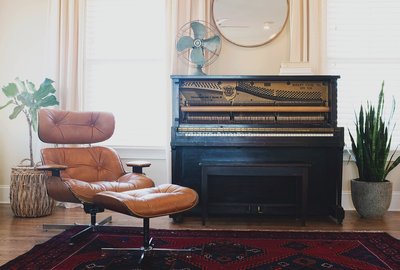
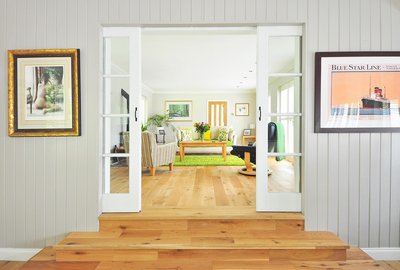
Wood is your best friend in a muted room. A warm oak or walnut piece introduces grain, which is a texture the camera loves. Mix at least two wood tones in a living room, one warm and one cooler, so the space does not feel like a showroom set. If the room has a stone or concrete element, such as a fireplace surround or a coffee table, balance it with something soft and organic nearby.
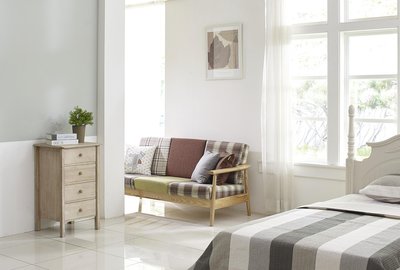
Textiles are where you can be generous. Layer a wool rug, a cotton or linen curtain, a velvet cushion, and a jute or sisal accent, and you have four textures in one room without introducing a single new color. The key is to vary the scale of the texture as well as the type. A fine linen next to a chunky weave creates more visual interest than two medium-textured fabrics side by side.
Photographing Texture in a Quiet Room
Texture only shows up on camera when the light hits it at an angle. This is the single most important technical point in this article. Flat, frontal light, whether from a window straight ahead or from an on-camera flash, will erase every bit of surface detail you worked so hard to layer. Side light, from a window to the left or right of the frame, will reveal pile, weave, grain, and sheen.
When you shoot a muted living room, position yourself so the main light source is at roughly ninety degrees to your camera. If the room only has one window and it faces the wrong way, use a floor lamp or a portable light placed to the side to add raking light. You are not trying to brighten the room; you are trying to describe its surfaces.
In editing, resist the urge to lift shadows too far. Muted rooms need their shadows; they are part of the texture story. Keep contrast gentle, warm the highlights slightly, and let the midtones carry the image. The goal is a photograph that feels as tactile as the room itself, one where a viewer can almost feel the linen and the wool just by looking.
-
From Before to After: Using Transformation Stories in Living Room Portfolios
Sep 22, 2026Project Narratives

-

-
From Before to After: Using Transformation Stories in Living Room Portfolios
Sep 24, 2026Styling Tips

-
Lighting the Living Room: How to Showcase Layered Light in Your Portfolio
Sep 12, 2026Design Fundamentals

-
The Art of the Quiet Corner: Styling Reading Nooks for Your Portfolio
Sep 4, 2026Portfolio Strategy

-

-

-

-
The Client's Chair: Photographing Living Rooms That Show How People Actually Sit
Sep 10, 2026Lighting Design

Front Room Folio
Empty rooms photograph cleanly, but lived-in moments sell design. Learn how to stage a living room so it feels inhabited without looking messy.